Visual Animation Methods Powering Longer Engagements in Mobile Slots Packed with Bonus Features
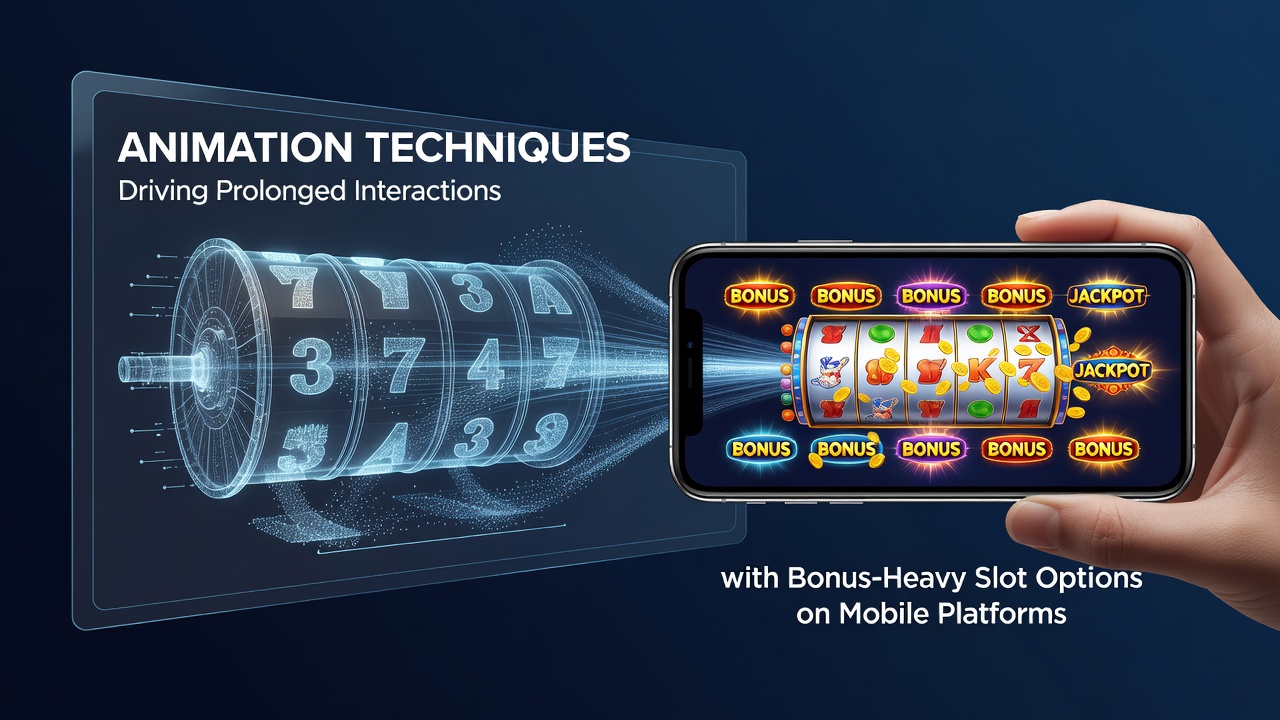
Animation techniques in mobile slot platforms rely on layered particle systems, synchronized transitions, and responsive scaling to maintain user focus across extended sessions, particularly when bonus rounds accumulate multiple reward layers. Developers integrate these elements through frameworks that adapt frame rates to device capabilities, ensuring consistent performance on screens ranging from 5 to 7 inches while preserving visual fidelity during rapid reel spins and feature triggers.
Core Animation Components in Mobile Reel Systems
Particle emitters generate cascading symbols and light bursts that activate upon bonus entry, while skeletal animations handle character movements within themed sequences, creating continuity between base game spins and secondary features. Frame interpolation algorithms smooth these sequences at 60 frames per second on compatible hardware, reducing perceived latency that might otherwise interrupt flow during consecutive bonus activations.
Research from mobile gaming analytics firms shows session durations increase when transitions employ bezier curve easing rather than linear timing, because players experience less abrupt shifts between reel stops and reward displays. Color grading pipelines adjust saturation dynamically based on win multipliers, drawing attention to accumulating prizes without requiring additional user input on touch interfaces.
Bonus Round Architecture and Interaction Loops
Bonus-heavy designs embed animation triggers at multiple decision points, such as expanding wilds that morph through morphing sequences or pick-and-click mechanics that reveal layered overlays. These loops sustain engagement by chaining micro-animations that respond to swipe gestures, allowing players to influence reveal speeds on portable devices where touch precision varies.
Data from platform telemetry indicates that slots incorporating real-time physics simulations for falling objects or exploding clusters retain users through higher average spin counts per session. Observers note that July 2026 updates to several major engines introduced adaptive lighting models that react to ambient device sensors, further aligning visual output with environmental conditions during prolonged play periods.
Technical Optimization for Portable Hardware
Mobile processors handle these effects through texture atlasing and GPU instancing, which batch similar animation elements to conserve battery and maintain thermal stability. Developers test across Android and iOS variants to calibrate draw calls, ensuring that bonus sequences with dozens of simultaneous particles do not exceed memory thresholds on mid-range chipsets prevalent in global markets.
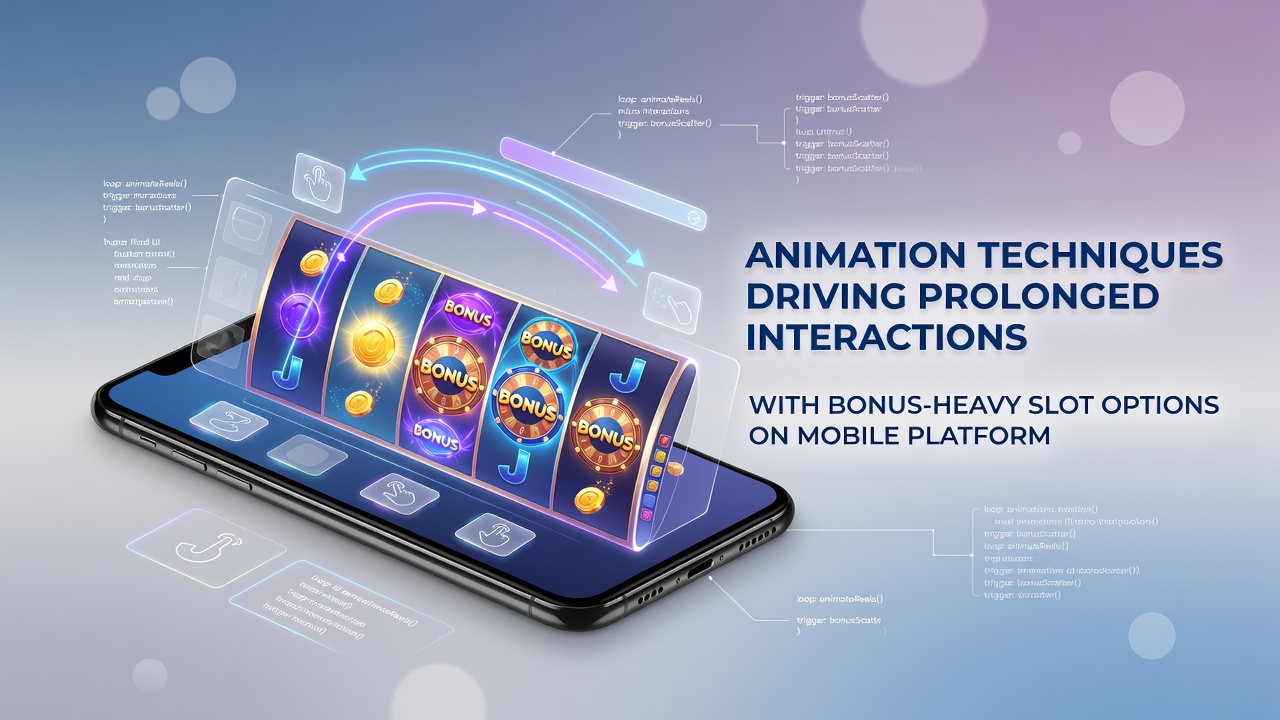
According to reports compiled by the Australian Gambling Research Centre, platforms employing these optimized animation stacks record measurable extensions in session length when bonus features incorporate progressive visual builds rather than static reveals. The integration of WebGL shaders allows cross-device consistency, enabling identical particle density whether accessed via native apps or browser-based instant play environments.
Player Retention Patterns Linked to Visual Feedback
Telemetry logs reveal that animation cues signaling upcoming bonus potential, such as accelerating reel borders or anticipatory glow effects, correlate with increased continuation rates after near-miss outcomes. These patterns hold across demographic segments, though regional hardware preferences influence the specific techniques that yield the strongest retention metrics.
Industry analyses from the National Center for Responsible Gaming document how layered sound-visual pairings during bonus escalations contribute to extended dwell times, with data drawn from North American operators showing consistent trends through mid-2026. Engineers continue refining occlusion culling methods to prioritize foreground animations during complex multi-reel bonus displays, preserving clarity on smaller viewports.
Conclusion
Animation pipelines in mobile slot environments combine technical efficiencies with layered visual feedback to support sustained interaction around bonus-dense mechanics, with ongoing refinements driven by hardware advancements and performance data. These approaches maintain operational stability across varied device ecosystems while delivering the sequential reward structures that characterize contemporary portable gaming options.