Tracing Bonus Round Architectures from Mechanical Origins to Today's Touchscreen Variants
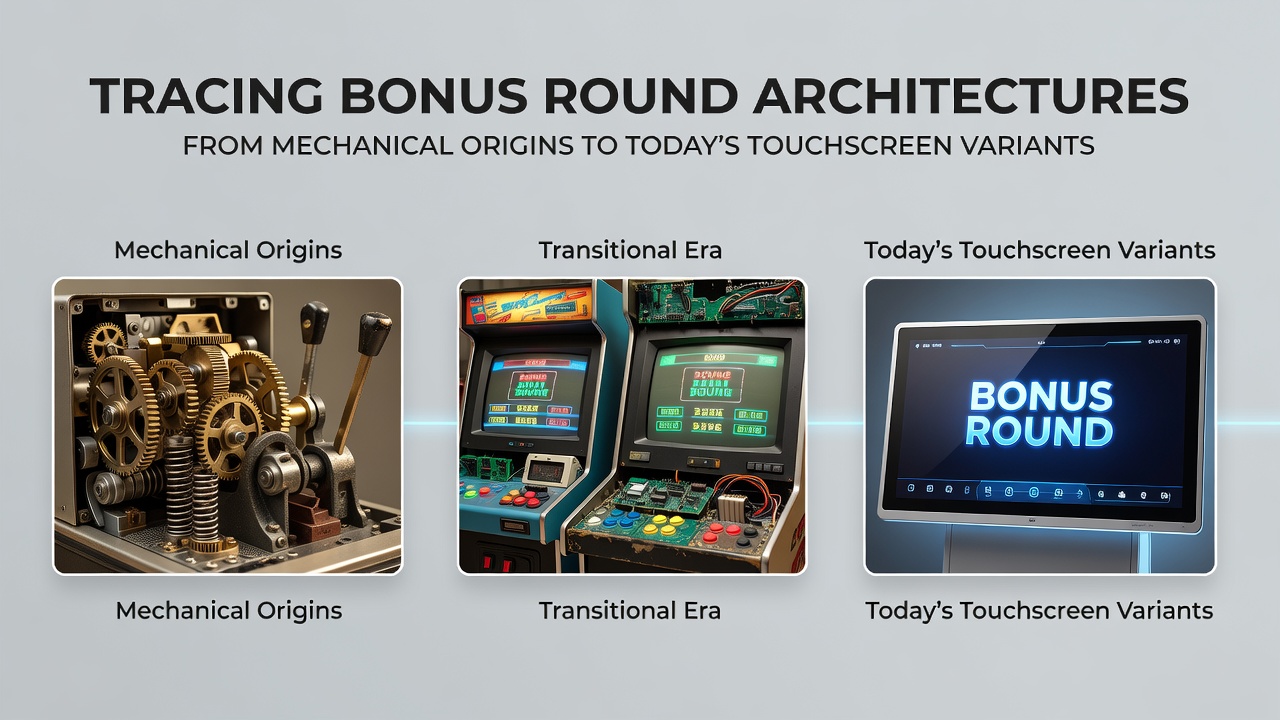
Slot machines began with straightforward mechanical designs that relied on physical reels and levers, yet bonus round architectures emerged early through features like extra coin payouts or hold mechanisms that altered standard play sequences. Researchers examining gaming history note that these initial systems laid foundations for reward structures that persist in evolved forms today, with data from industry archives showing incremental complexity added through the mid-20th century.
Mechanical Foundations and Early Reward Systems
Early machines such as the Liberty Bell from 1895 incorporated basic bonus elements via weighted reels that delivered higher payouts under specific alignments, and observers note these setups used gravity and spring tension to create unpredictable yet structured reward moments. Data indicates that by the 1920s manufacturers introduced nudge features allowing players to shift reels slightly after a spin, which functioned as primitive bonus activations tied directly to the hardware. Those who've studied these devices know the architectures depended on physical components like cams and gears to gate additional plays or multiplied wins, limiting flexibility while establishing core principles of triggered events separate from base game cycles.
Mechanical constraints shaped how bonuses operated, since every reward path required dedicated levers or coin chutes, and evidence from preserved units reveals that extended engagement came from these manual interactions rather than digital triggers. Figures from historical collections show that such systems dominated until electromechanical hybrids arrived in the 1960s, bringing electric motors that enabled more reliable bonus sequencing without sacrificing the tactile lever pull.
Transition to Electromechanical and Video Designs
Electromechanical models expanded bonus architectures by integrating switches and relays that could activate secondary wheels or multipliers upon certain symbol combinations, while video slots introduced in the late 1970s replaced physical reels with screens that simulated and enhanced those same reward paths. Studies of gaming technology reveal that developers programmed bonus rounds as separate modes accessed through random number generators, allowing complex pick-and-win sequences that mechanical parts could never support. What's interesting is how these digital shifts maintained connections to earlier designs, with many video titles replicating nudge or hold mechanics through on-screen prompts that mirrored the original hardware actions.
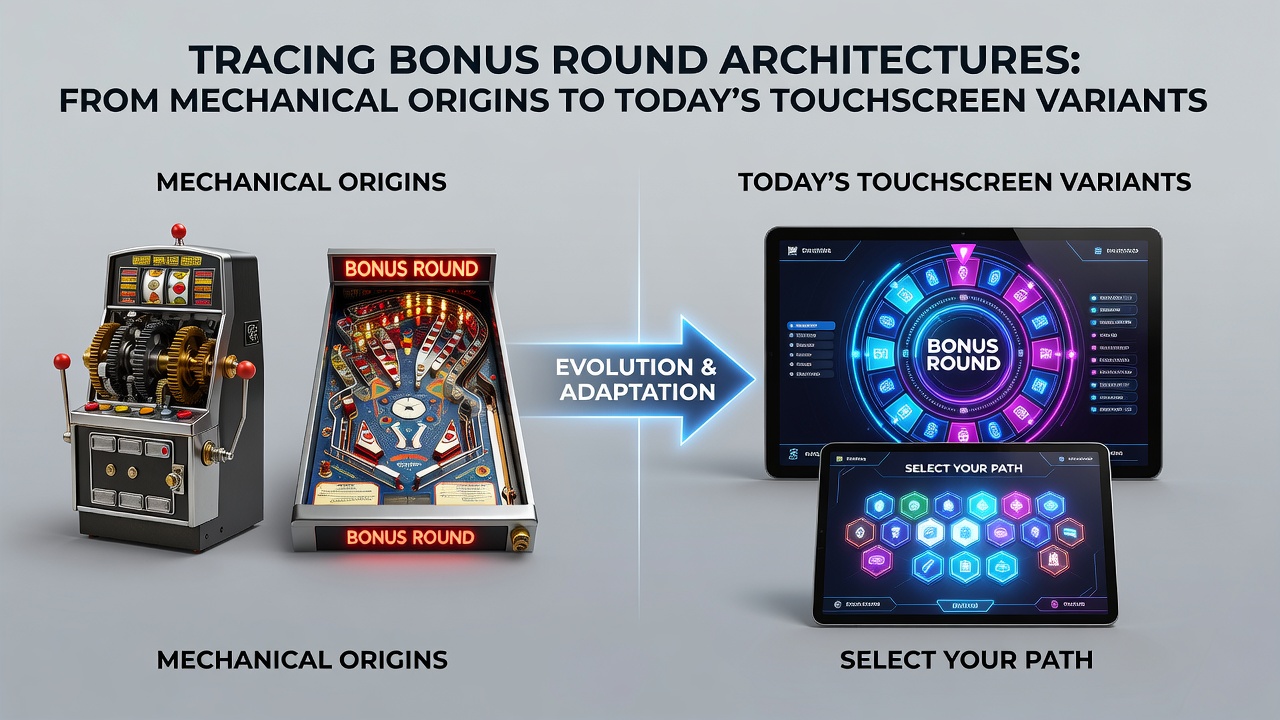
By the 1990s video poker and slot hybrids featured layered bonuses where players selected from card arrays or treasure chests, and reports from regulatory bodies like the Nevada Gaming Control Board document steady growth in these features as machines moved into casinos worldwide. Australian research institutions have tracked similar patterns, noting that bonus activation rates increased player session lengths without altering core probability frameworks established decades earlier. Those analyzing the shift observe that video architectures decoupled bonuses from physical limits, enabling cascading effects or progressive accumulations that built on mechanical precedents.
Touchscreen Variants and Mobile Architectures
Touchscreen interfaces in the 2000s further refined bonus round designs by allowing direct interaction through taps and swipes, which replaced button panels and created more immersive selection processes during triggered events. Data shows that mobile platforms accelerated this evolution, with developers optimizing architectures for smaller displays while preserving the layered reward structures inherited from earlier eras. In June 2026 industry reports highlight continued refinement of these systems, including adaptive bonuses that adjust difficulty based on touch patterns detected during play sessions.
Contemporary variants integrate clustering mechanics and symbol probabilities into bonus phases, where touchscreen gestures unlock multipliers or additional spins, and figures from gaming associations indicate these elements sustain engagement across portable devices. People who've examined mobile reel technologies find that the underlying probability models often trace directly back to mechanical weighting systems, adapted now through algorithms that deliver comparable excitement without physical components. External analyses from sources such as the American Gaming Association track these transitions, revealing consistent architectural threads across decades of hardware changes.
Current Intersections in June 2026
Recent developments in June 2026 demonstrate how touchscreen bonus architectures incorporate elements from clustering algorithms and reward accumulation patterns, allowing seamless transitions between base games and bonus modes on handheld screens. Research indicates that operators deploy these systems across regions with varying regulations, including oversight from bodies like the Malta Gaming Authority that emphasize transparent trigger mechanisms. Observers note that progressive prize interfaces on modern devices retain visual nods to vintage lever designs, even as the underlying code handles complex sequences of free rounds and multipliers.
Examples from current titles show bonus rounds that blend stepper nostalgia with explosive effects, where touch inputs initiate chain reactions similar to mechanical cascades yet executed through precise digital timing. Those studying mobile-accessible reel technologies report that extended engagement periods correlate with carefully balanced symbol probabilities carried forward from historical designs, updated for instant play environments. A second authoritative reference comes from Australian Institute of Family Studies publications on gaming patterns, which document how these evolved architectures maintain player interest through familiar reward structures.
Conclusion
The progression from mechanical bonus systems to touchscreen variants illustrates a continuous refinement of reward architectures that began with physical levers and now operates through intuitive gestures, with each stage building on established principles of triggered events and layered payouts. Data from multiple regulatory and research sources confirms that core elements such as multipliers, additional spins, and selection sequences have adapted across hardware generations while preserving their foundational logic. This lineage remains evident in June 2026 deployments, where digital implementations honor mechanical origins through both visual cues and probability frameworks that continue to drive reel-based entertainment on portable platforms.