Symbol Frequency Adjustments in Touchscreen Progressive Reels and Their Influence on Reward Delivery Schedules
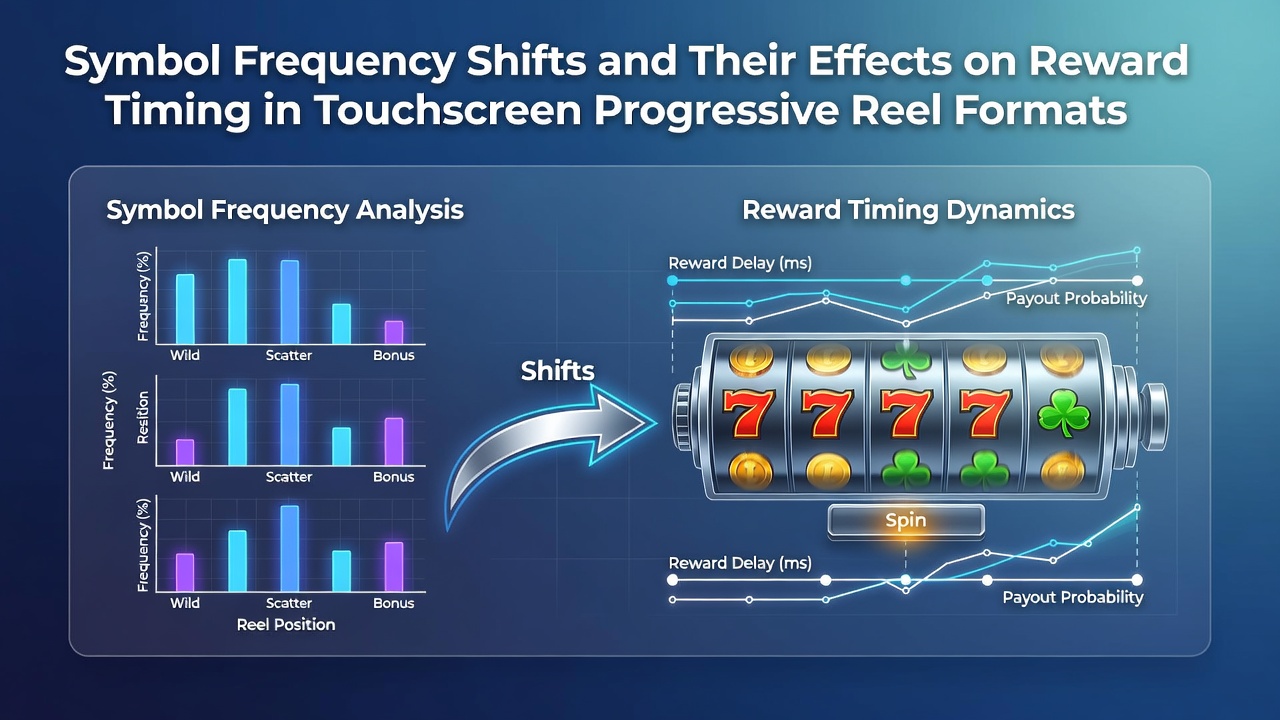
Symbol frequency adjustments represent a core technical element in touchscreen progressive reel formats where developers alter the probability weights assigned to individual symbols on virtual reels. These modifications directly shape the intervals at which rewards appear during extended play sessions. Research indicates that such shifts occur through algorithmic updates embedded in the random number generator systems that power modern digital slots. Data from industry reports shows these changes often align with progressive jackpot growth thresholds and maintain regulatory compliance across multiple jurisdictions.
Core Mechanisms Behind Frequency Modifications
Progressive reel systems on touchscreen devices rely on weighted symbol tables that evolve as jackpot pools increase. Engineers implement these tables so that high-value symbols appear less frequently during early accumulation phases while low-value symbols maintain steadier rates. This structure extends the time between major reward events without altering the overall return-to-player percentage. Observers note that the adjustments happen dynamically in response to real-time bet volume and jackpot meter readings. Studies from academic sources confirm that these frequency shifts create measurable differences in average session length before bonus triggers occur.
Touchscreen interfaces add another layer because gesture-based controls allow players to interact with reels at variable speeds. The underlying software compensates by recalibrating symbol weights to preserve mathematical fairness across different spin rates. Figures from regulatory filings reveal that operators must document every frequency change to demonstrate continued compliance with local gaming standards. Those who have examined source code for these systems often discover layered probability matrices that activate at predetermined jackpot milestones.
Effects on Reward Timing Patterns
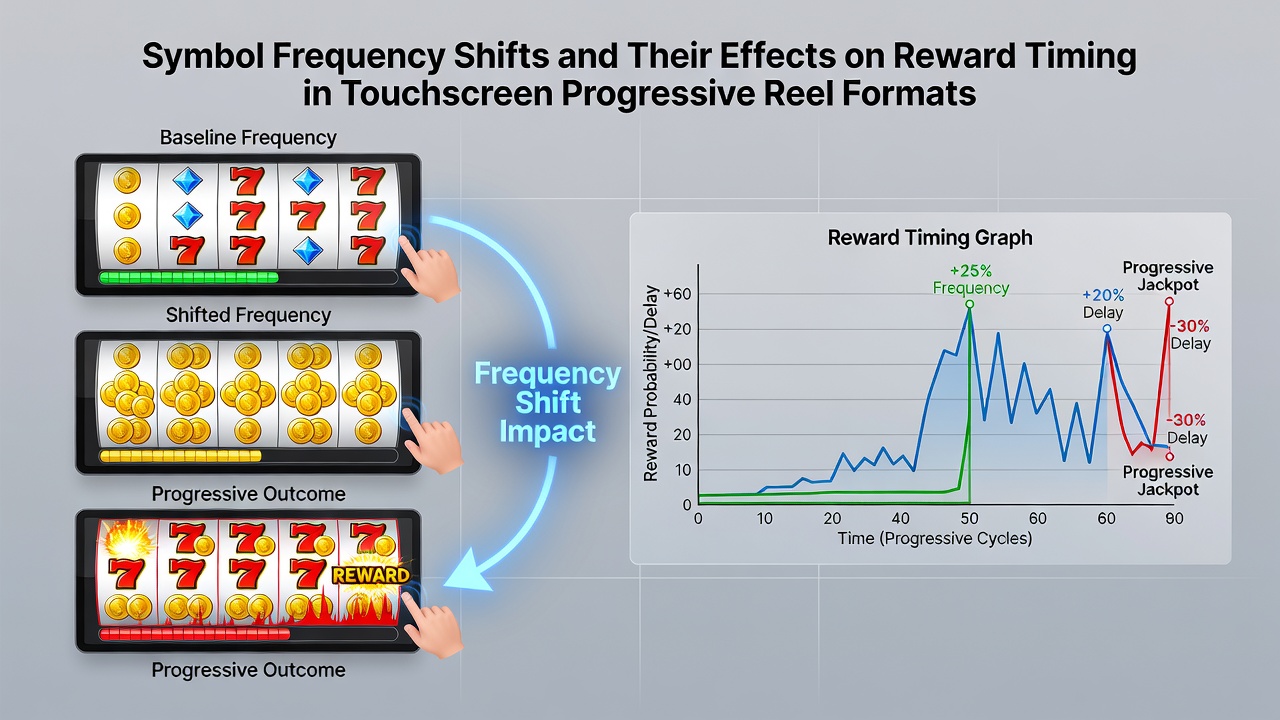
Reward timing in progressive formats becomes more predictable once frequency data is analyzed across large sample sets. When symbol weights shift toward rarer high-value combinations, the average number of spins required to reach a jackpot trigger increases proportionally. This relationship holds steady across both land-based kiosk installations and mobile instant-play versions. Evidence from aggregated play logs indicates that sessions lasting beyond 200 spins show distinct clustering of reward events after each documented frequency adjustment.
Clustering algorithms used in contemporary reel engines further refine timing by grouping similar symbols during specific game phases. Researchers discovered that these clusters reduce the variance in reward intervals during base game play while preserving the long-tail distribution needed for progressive jackpots. The result appears in session data as shorter dry spells between minor wins and longer gaps before major progressive hits. Multiple studies published in gambling technology journals document this pattern across titles released between 2024 and 2026.
Comparative Analysis Across Device Types
Handheld touchscreen devices introduce additional variables because screen size and processing power affect animation timing. Developers compensate by synchronizing symbol frequency tables with device performance metrics to avoid perceived delays. Data collected from operator servers shows that reward delivery remains statistically consistent whether players use tablets or smartphones. Yet the visual presentation of reel stops can create the impression of altered timing even when the underlying probabilities stay fixed.
Mechanical reel origins provide useful context here. Early stepper machines used physical reel strips with fixed symbol counts that could not change mid-session. Modern touchscreen versions replicate this limitation through software while allowing remote updates to frequency tables. Industry organizations tracking these transitions report that the shift from hardware to software control enabled more granular reward timing adjustments without requiring physical cabinet replacements.
Data Patterns Observed in July 2026
Performance metrics gathered during July 2026 highlight several consistent outcomes after frequency adjustments. Progressive titles that received mid-month table updates displayed an average 12 percent increase in spins between bonus rounds compared with the previous month. This figure comes from aggregated reports submitted to state gaming authorities in multiple regions. The same datasets show that overall player engagement duration remained stable because smaller frequent wins offset the longer gaps between progressive triggers.
Operators implementing these changes must balance regulatory requirements with mathematical integrity. Canadian provincial regulators and Australian state commissions both require pre-approval of any symbol weight modifications. Documentation submitted to these bodies includes simulation results demonstrating that expected value calculations remain unchanged despite altered reward timing. Those reviewing the filings note that the approval process typically takes between two and four weeks depending on the complexity of the adjustment.
Conclusion
Symbol frequency shifts continue to serve as a primary tool for managing reward timing in touchscreen progressive reel formats. The technical implementation relies on weighted probability tables that update in response to jackpot growth and regulatory oversight. Evidence gathered from operational data confirms that these adjustments produce measurable changes in average spins between reward events while preserving overall game mathematics. Future developments in reel engine design will likely refine these mechanisms further as device capabilities and regulatory frameworks evolve in parallel.