Mobile Screen Adaptations Reshape Classic Fruit Machine Layouts for Instant Access Gaming
Eden Keller · Aug 26, 2026
Mobile Screen Adaptations Reshape Classic Fruit Machine Layouts for Instant Access Gaming
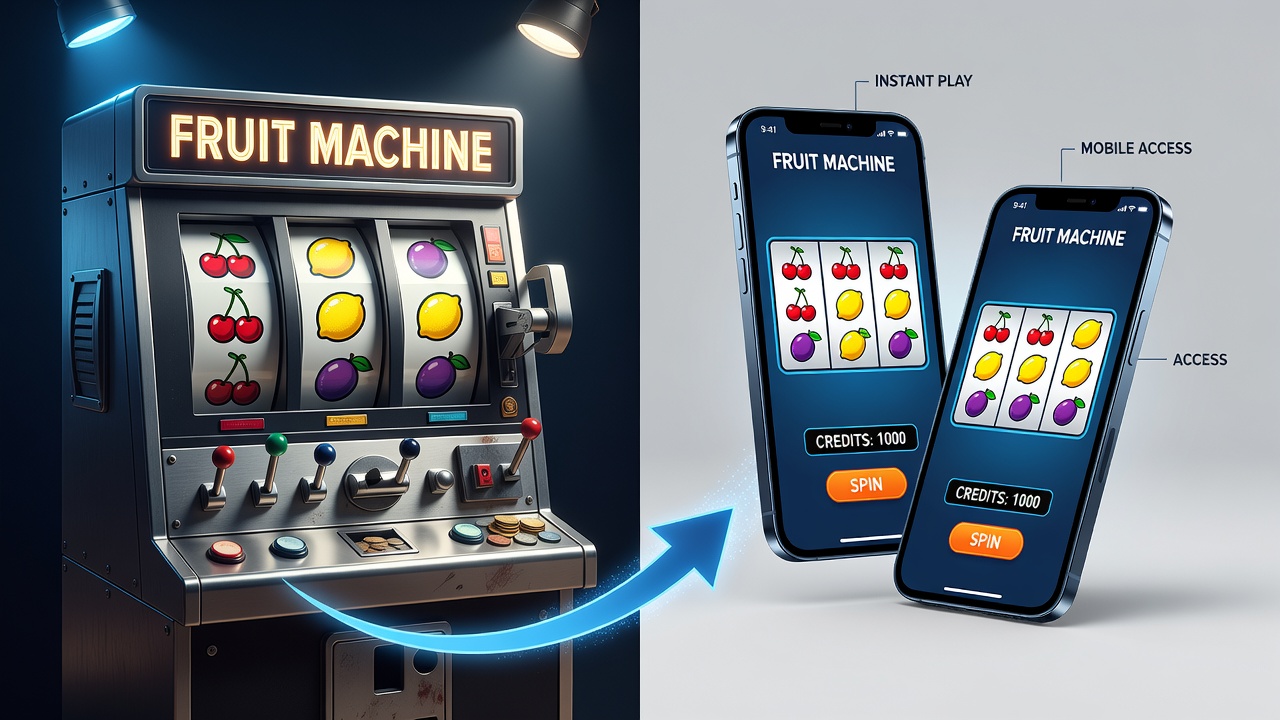
Traditional fruit machines operated through fixed three-reel setups housed in large cabinets where players pulled a lever to initiate spins, and symbols aligned across a single payline in a straightforward mechanical sequence. Mobile interfaces introduced touch-based controls that replaced levers with taps and swipes, allowing reel arrangements to expand while fitting smaller display areas without losing core functionality. Developers adjusted symbol sizes and spacing to accommodate finger interaction, which shifted layouts from rigid vertical columns to flexible grids that support multiple paylines on portable screens.
Reel Configurations and Touch Target Adjustments
Physical fruit machines limited players to three reels and basic symbol sets because mechanical constraints dictated spacing and movement, whereas mobile versions incorporate five or more reels through digital scaling that maintains visibility on screens measuring under seven inches. Touch targets expanded to minimum sizes recommended by interface guidelines, and this change enabled developers to cluster symbols more densely while preserving tap accuracy. Observers note that swipe gestures now trigger spins in place of lever pulls, and such adaptations appear across platforms where portrait orientation dominates session data.
Studies from academic institutions examined how these layout shifts affect symbol probabilities and engagement durations, with researchers documenting that mobile designs often cluster high-value fruits and bars closer to screen centers for quicker recognition. Data from the Nevada Gaming Control Board indicates steady growth in mobile-accessible titles through 2026, and figures reveal increased session lengths when layouts prioritize larger touch zones over traditional tight alignments.
Instant Access Features and Layout Simplification
Instant play environments on browsers eliminated download requirements that once separated desktop and physical machines from portable access, and this transition prompted layout simplifications such as collapsible paytable menus that appear only on demand. Reels resize dynamically based on device orientation, while bonus trigger symbols receive highlighted borders that stand out against smaller backgrounds. Analysts from the Alcohol and Gaming Commission of Ontario reported rising participation in mobile fruit-themed games during the first half of 2026, with patterns showing that streamlined controls correlate to shorter intervals between spins.
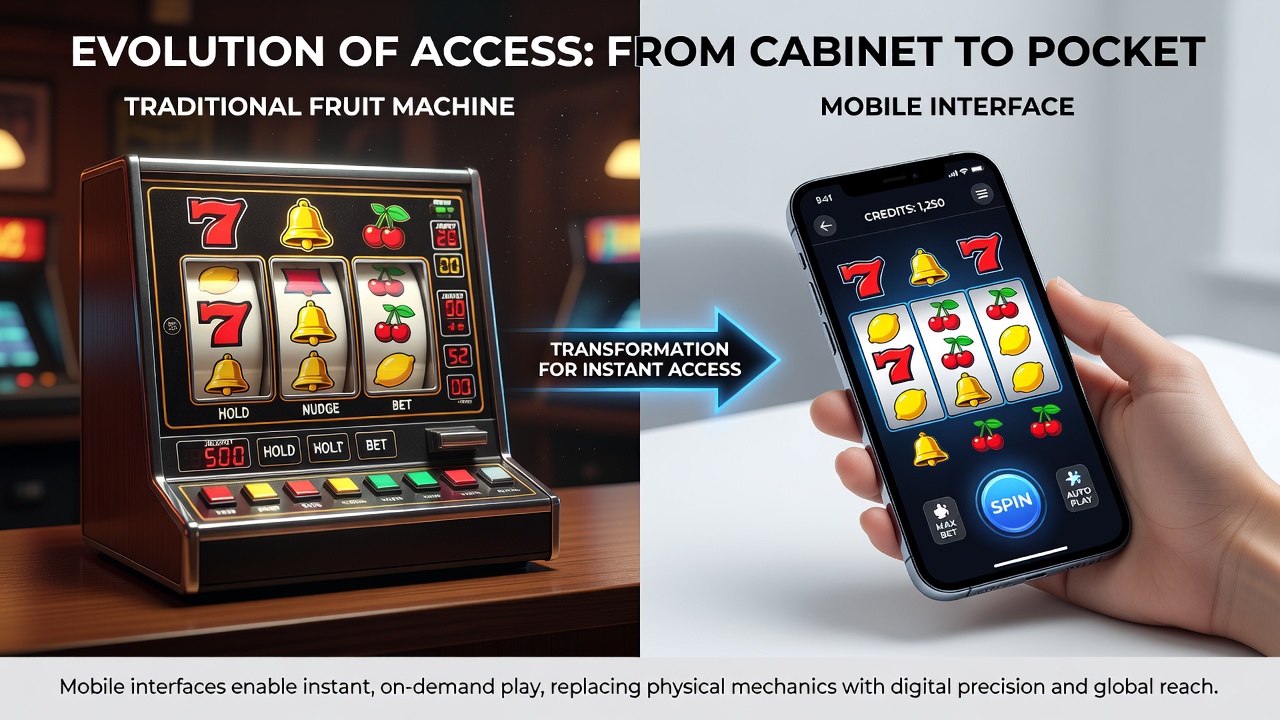
Auto-spin functions integrated directly into reel frames allow continuous play without repeated taps, and this feature evolved from mechanical one-time activations into adjustable loops that users set through sliding selectors. Layouts accommodate these additions by reserving bottom screen real estate for control bars that remain visible during spins, whereas older cabinets placed levers on the side. Those who track interface metrics observe that such placements reduce accidental activations and maintain consistent reel visibility across varied device sizes.
Symbol Scaling and Payline Expansions
Classic fruit symbols such as cherries, lemons, and sevens retained their visual identity on mobile yet underwent pixel adjustments to retain clarity at reduced scales, and payline counts expanded from one to twenty or more because digital rendering supports overlapping lines without physical reel thickness limits. Research papers from European gaming studies detail how probability tables adapted alongside these expansions, ensuring return-to-player percentages stayed aligned with regulatory standards across jurisdictions. In August 2026 industry reports highlighted continued integration of progressive elements into fruit machine layouts, where mobile interfaces display accumulating jackpots in dedicated header areas that update in real time.
Button arrays for bet selection moved from side panels to bottom toolbars that expand on touch, and this repositioning freed central screen space for larger reels. Observers documented cases where developers tested multiple layout variants before final release, with data indicating optimal configurations balance symbol size against total reel count. External regulatory updates from bodies such as the New Jersey Division of Gaming Enforcement continue to shape minimum interface standards that influence how layouts handle both classic and updated fruit themes.
Conclusion
Layout transformations in fruit machines reflect ongoing responses to mobile screen constraints and user interaction patterns, with reel arrangements, symbol placements, and control placements evolving to support instant access across devices. Data from multiple regulatory sources documents these shifts through 2026, and continued refinements appear as screen technologies and touch precision advance. The adaptations maintain core mechanics while enabling broader accessibility without mechanical limitations of earlier cabinets.