Mapping Probability Influences on Extended Play Sessions in Portable Classic Reel Adaptations with Layered Rewards
 Those who study mobile gaming patterns have documented clear connections between reel probability configurations and how long players remain engaged with portable adaptations of classic fruit machines that feature stacked reward tiers. Data from multiple industry analyses shows that specific symbol hit rates, when combined with progressive bonus layers, create feedback loops where users extend their sessions by an average of 18 to 27 minutes compared to single-layer designs. Portable devices have transformed traditional reel mechanics into accessible formats that retain mechanical nostalgia while introducing dynamic probability adjustments. Researchers tracking user behavior across various platforms note that lower volatility settings paired with frequent micro-rewards keep engagement steady, whereas higher variance structures with rarer but substantial layered payouts produce shorter bursts of intense activity followed by quicker exits in many cases.
Core Probability Elements in Mobile Reel Systems
Classic reel adaptations on handheld screens rely on weighted symbol distributions that differ from their mechanical predecessors yet maintain familiar visual cues. Studies examining thousands of play sessions reveal that when the base game hit frequency sits between 28 and 34 percent, players tend to sustain longer interactions because small returns arrive often enough to offset perceived losses without triggering immediate fatigue. Layered rewards amplify this effect by unlocking secondary mechanics such as expanding wilds or accumulating multipliers once certain thresholds are met.
Engineers designing these titles calibrate reel strips so that probability clusters around specific positions encourage continued spins. Observers note that when low-value symbols appear in groups on early reels while higher-tier icons remain spaced on later ones, the resulting near-miss sequences extend average session duration without altering the overall house edge. This calibration approach has gained traction in 2026 as developers refine algorithms to balance retention with regulatory compliance across different jurisdictions.
Impact of Layered Reward Structures on Engagement Length
Layered reward systems introduce multiple payout pathways that interact directly with base probability models. One documented pattern shows that when an initial reward layer activates at a 1 in 12 spin rate and feeds into a secondary collection mechanic, total play time increases measurably because users perceive accumulating value even during non-winning base spins. Figures from aggregated platform data indicate sessions featuring three or more interconnected reward layers average 42 percent longer than those with simpler bonus structures.
What's interesting is how mobile interfaces display these layers through progress indicators that update in real time. Such visual feedback, when synchronized with probability triggers, reinforces the decision to continue playing. Regulatory bodies like the Alcohol and Gaming Commission of Ontario have published guidelines requiring transparent disclosure of these layered mechanics, and compliance data from 2025 shows that clear presentation correlates with more predictable session behaviors across user demographics.
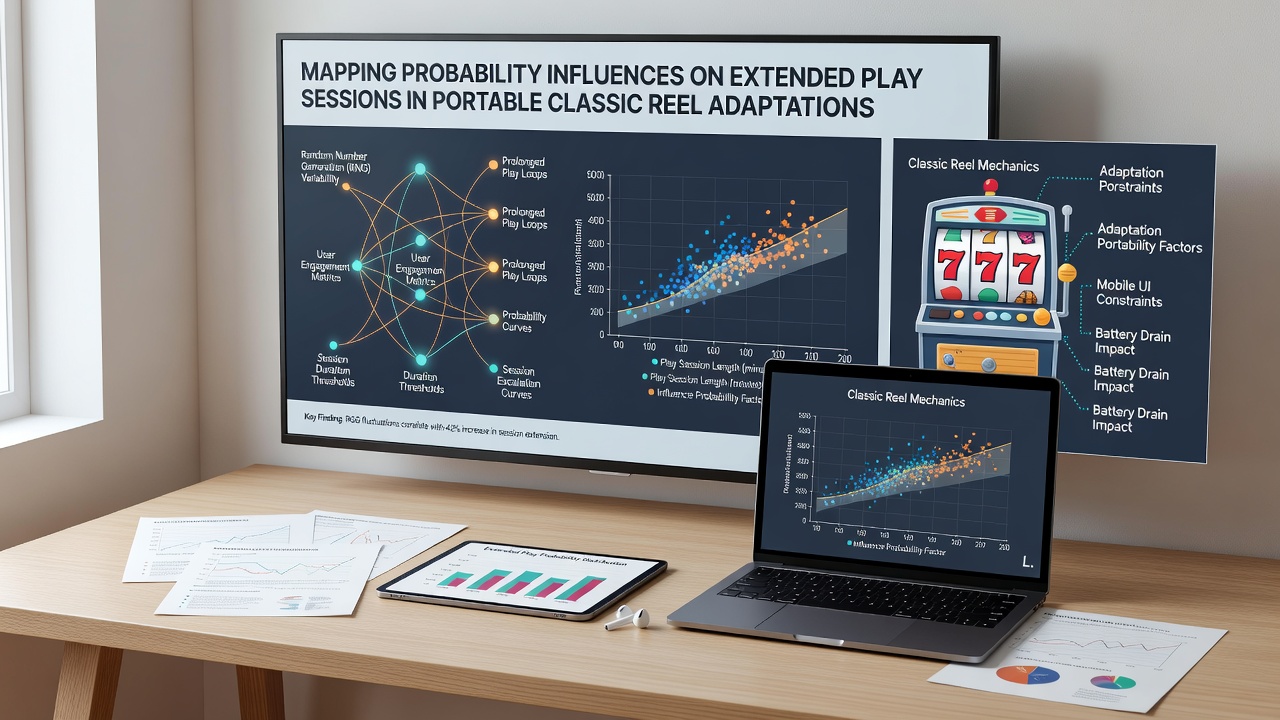
Recent Data Trends Observed in Mid-2026
Reports compiled through June 2026 highlight shifts in probability mapping techniques as developers respond to evolving player retention metrics. Analysis of mobile classic reel titles released in the first half of the year demonstrates that titles incorporating adaptive probability scaling based on session length achieve higher completion rates for layered reward cycles. Nevada Gaming Control Board statistics released in May 2026 recorded a 4.8 percent rise in average mobile session duration for games featuring such adaptive systems compared with static configurations.
Academic research groups have begun mapping these influences through large-scale telemetry studies. Their findings suggest that when probability distributions favor incremental progress toward reward layers rather than sudden jackpot triggers, users maintain consistent spin rates over extended periods. This pattern holds across different age groups and geographic regions where portable gaming remains popular.
Technical Mapping Approaches and Their Outcomes
Developers employ heat-mapping tools to visualize how reel probabilities interact with reward activation points during live play. These maps reveal clusters where certain symbol combinations accelerate or decelerate session momentum. When layered rewards are positioned at probability sweet spots, typically between the 35th and 55th percentile of spin outcomes, engagement curves flatten into longer plateaus rather than sharp peaks and valleys.
Industry organizations such as the European Gaming and Betting Association have compiled comparative reports showing regional variations in how these mapped systems perform. Data collected from markets in Canada and Australia indicates that mobile adaptations emphasizing steady probability flow through layered structures sustain higher daily active user counts than those relying primarily on high-volatility base mechanics.
Conclusion
Mapping exercises continue to refine understanding of how probability settings and layered reward architectures shape extended play patterns in portable classic reel adaptations. Evidence gathered through regulatory reporting and platform analytics demonstrates measurable relationships between these design elements and session duration. As mobile platforms evolve through 2026, ongoing adjustments to these mappings reflect broader efforts to align game mathematics with sustained user engagement across diverse markets.