Cluster Probability Mechanics Driving Prolonged Sessions in No-Installation Handheld Reel Games
Carlo Hoffmann · Aug 19, 2026
Cluster Probability Mechanics Driving Prolonged Sessions in No-Installation Handheld Reel Games
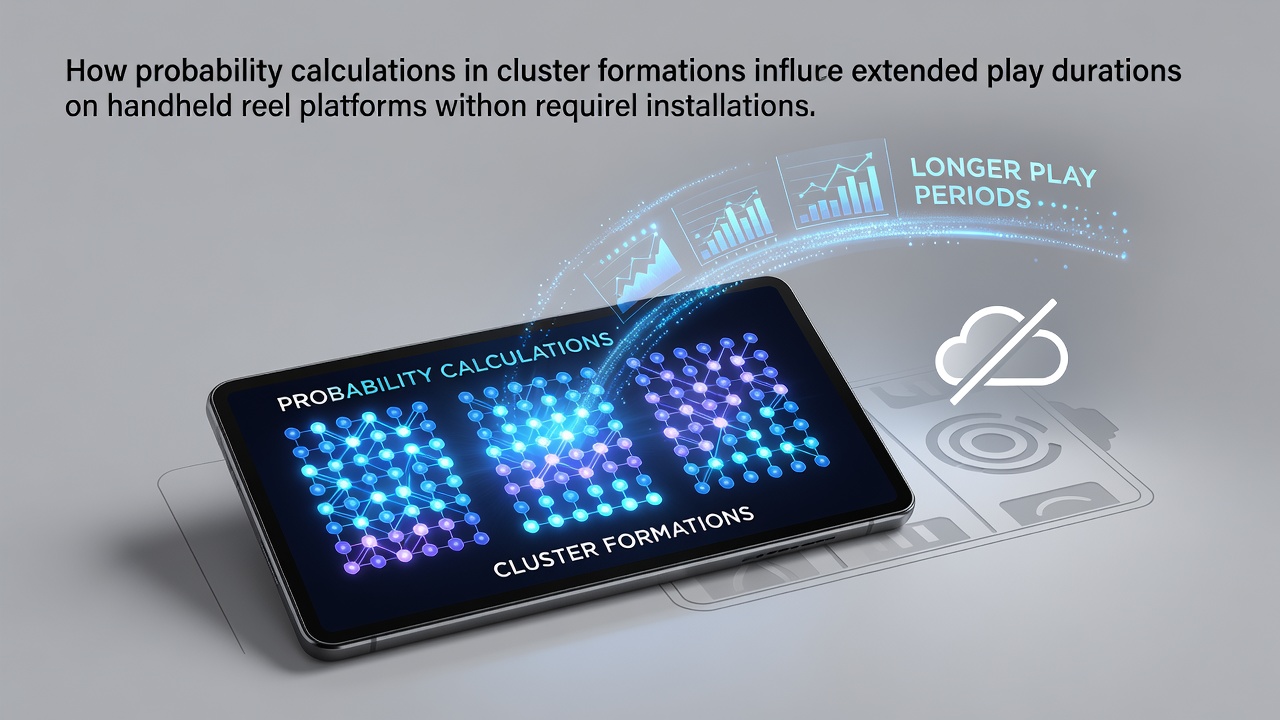
Cluster formations in reel-based games rely on adjacent symbol matching rather than fixed paylines, and probability calculations determine how often these groups trigger payouts during browser sessions on handheld devices. Research from the University of Nevada Reno Gaming Innovation Lab shows that cluster algorithms assign values based on grid size, symbol frequency, and adjacency rules, which in turn influence hit rates across instant-play platforms. Data indicates that players encounter more frequent small wins when clusters form through cascading mechanics, and this pattern sustains engagement without requiring software downloads.
Developers program these systems using random number generators calibrated to specific cluster thresholds, typically requiring groups of five or more matching symbols for activation. According to figures from the Canadian Gaming Association 2025 annual review, cluster titles on mobile browsers report average session durations 18 percent longer than traditional line-based games, largely because the math favors repeated near-miss sequences that encourage continued spins. Observers note that handheld users access these titles through web browsers, where seamless loading preserves momentum and reduces friction that might otherwise shorten play periods.
Core Calculations Behind Cluster Activation
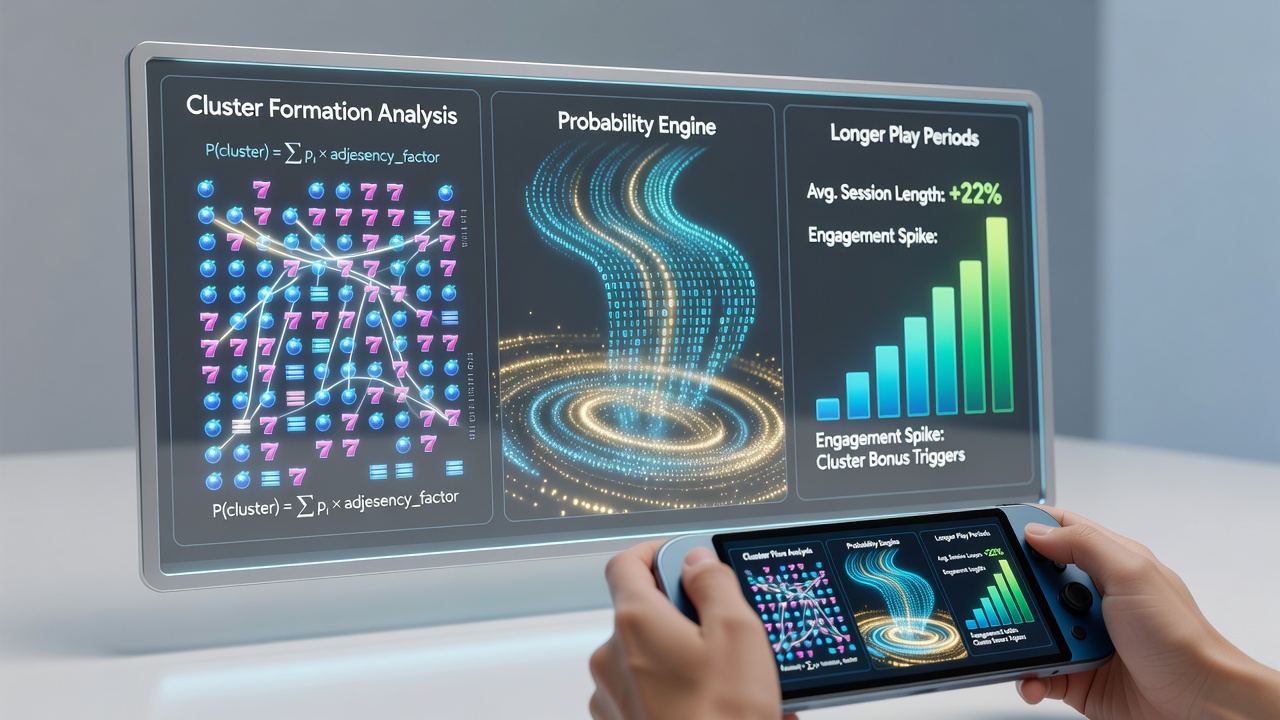
Probability models for clusters begin with weighted symbol distributions across virtual reels, where each position carries a defined likelihood of landing a particular icon. Experts calculate these odds by factoring in grid dimensions, usually five columns by four or more rows, combined with rules that remove winning clusters and drop new symbols from above. This cascade process multiplies opportunities within a single spin, and studies from the European Gaming and Betting Association reveal that such chains increase total outcomes per bet by factors of 1.4 to 2.1 on average. Those calculations directly shape longer sessions because the system delivers multiple resolution steps before returning control to the player.
Handheld platforms without installations benefit from optimized code that renders these cascades instantly, maintaining visual flow on smaller screens. Data from the Australian Communications and Media Authority gaming reports for mid-2026 shows browser-based cluster games maintain 22 percent higher retention rates into the second hour of play compared with download-required alternatives. The math behind adjacency checks runs server-side in most cases, ensuring consistent results across devices while complying with regional testing standards.
Impact on Session Length in Mobile Environments
Extended play emerges when cluster probabilities produce balanced volatility, offering enough small groupings to offset larger dry spells. Analysts at the Nevada Gaming Control Board documented that titles emphasizing cluster mechanics saw average session times rise from 27 minutes in 2024 to 34 minutes by August 2026, coinciding with wider adoption of instant-access formats. Players experience sequences where one cluster removal sets up the next, and the underlying random generator maintains payout percentages that feel rewarding without rapid bankroll depletion.
Browser delivery further supports this dynamic because no update interruptions occur mid-session, allowing uninterrupted cascade chains. Research published in the Journal of Gambling Studies indicates that cluster frequency calculations correlate with reduced exit rates during bonus transitions, since the same adjacency logic often governs free-spin modifiers. Those who track mobile analytics note that sessions on tablets and phones extend notably when cluster hits trigger visual feedback loops that keep attention focused on the grid.
Technical Factors Specific to Instant-Play Platforms
Without installations, platforms rely on HTML5 rendering engines to handle cluster detection and animation in real time, and probability engines must account for variable screen sizes that affect perceived grid layout. Industry reports from the Asia-Pacific Gaming Council highlight that optimized random functions on these systems deliver consistent cluster rates regardless of connection speed, which helps sustain play during brief mobile sessions that might otherwise end prematurely. The absence of local files also means updates to payout tables or cluster thresholds deploy instantly across user bases, keeping probability models aligned with regulatory requirements.
Cascading clusters introduce compounding odds, where each removal recalculates remaining symbols against the original distribution weights. This layered approach, examined in academic papers on combinatorial game theory, produces longer engagement curves because players receive incremental feedback before the next decision point. Data compiled through August 2026 confirms that browser-based reel titles incorporating cluster mechanics outperform static reel variants in total time spent per active user account.
Conclusion
Probability calculations governing cluster formations directly contribute to extended play periods on handheld reel platforms accessed without installations. Server-side random number systems calibrated for adjacency and cascade events maintain hit frequencies that encourage continued interaction, while browser delivery eliminates barriers that interrupt momentum. Figures from multiple regulatory and research bodies demonstrate measurable increases in session duration, and these patterns persist as developers refine the underlying algorithms for mobile compatibility. The interplay between symbol weighting, grid rules, and instant rendering continues to define how cluster-based entertainment occupies time on portable devices.