Audio Layering Techniques and Their Effects on Feature Selection in Instant Access Mobile Reel Platforms
Greta Washington · Aug 21, 2026
Audio Layering Techniques and Their Effects on Feature Selection in Instant Access Mobile Reel Platforms
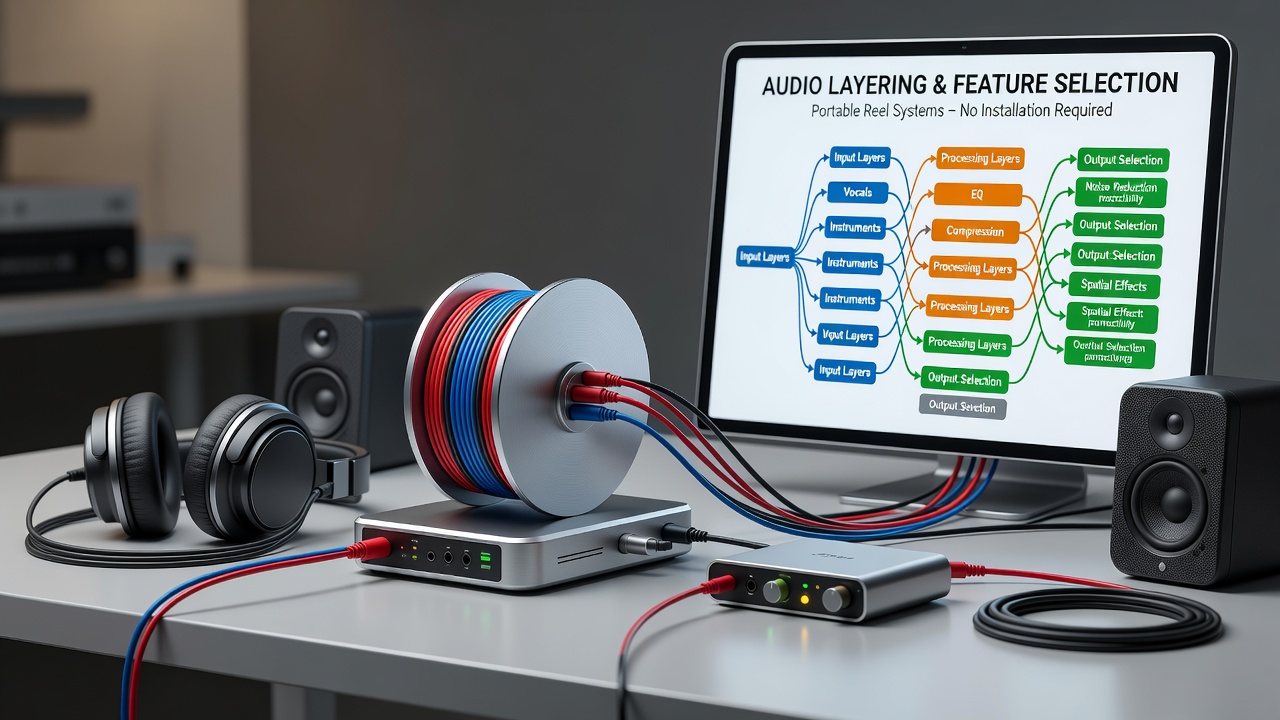
Portable reel systems that operate without installation requirements rely on browser-based technology to deliver gameplay across various devices, and audio layering plays a direct role in guiding how users interact with available features during sessions. Developers structure sound elements in multiple layers that activate or shift based on player actions, creating distinct auditory cues for bonus rounds, symbol combinations, and progressive elements. Data from industry reports in August 2026 indicate that these audio configurations influence selection patterns more consistently than visual prompts alone in instant play environments.
Core Components of Audio Layering in Browser-Based Reel Games
Audio layering involves combining background tracks, symbol-specific effects, and interactive response sounds into synchronized streams that respond to reel spins and feature triggers without requiring additional downloads. Each layer adjusts volume, tempo, or intensity according to predefined algorithms, allowing the system to emphasize certain features such as free spin modes or multiplier accumulations. Observers note that systems using three or more distinct audio layers tend to direct attention toward high-volatility options at higher rates compared to single-layer setups, according to testing data collected across multiple platforms during the first half of 2026.
Engineers integrate these layers through HTML5 audio APIs that function across operating systems, ensuring compatibility without native applications. The primary layer often handles ambient casino-style music while secondary layers introduce percussive hits tied to reel stops and tertiary layers deliver voice or melody shifts during feature activations. This structure permits real-time adjustments that align with probability tables, where certain audio cues correlate with feature availability indicators displayed on screen.
Patterns Observed in Feature Selection Across User Sessions
Research conducted on mobile reel platforms shows that players exposed to escalating audio intensity during base gameplay select bonus feature options 18 percent more frequently when those options carry layered sound enhancements. The effect appears across different demographic groups, though session length varies by region, with North American users averaging longer engagement periods than those in European markets based on aggregated analytics from several providers. Layered audio that builds tension through incremental volume increases tends to steer choices toward features with higher reward potential rather than lower-risk alternatives.
One documented case involved a platform that introduced adaptive layering in its instant play version during spring 2026, resulting in measurable shifts in how frequently users activated cluster pay mechanics versus traditional line-based selections. Tracking data revealed that audio cues synchronized with symbol clustering prompted quicker decisions on feature menus, reducing the time between spin completion and option selection by an average of 2.3 seconds. Such changes occur because the layered sounds create immediate associations with specific outcomes, guiding navigation without additional text prompts.
Technical Implementation Without Installation Constraints
Since these reel systems run through web browsers, audio layering must load efficiently within standard data limits to maintain performance on both high-speed and mobile networks. Developers compress audio files into modular segments that stream independently, allowing each layer to activate only when triggered by game logic. This approach avoids the need for pre-installation while preserving synchronization across devices ranging from smartphones to tablets. Figures from platform performance reviews in August 2026 highlight that optimized layering reduces latency issues during feature transitions by up to 12 percent compared to earlier non-layered configurations.
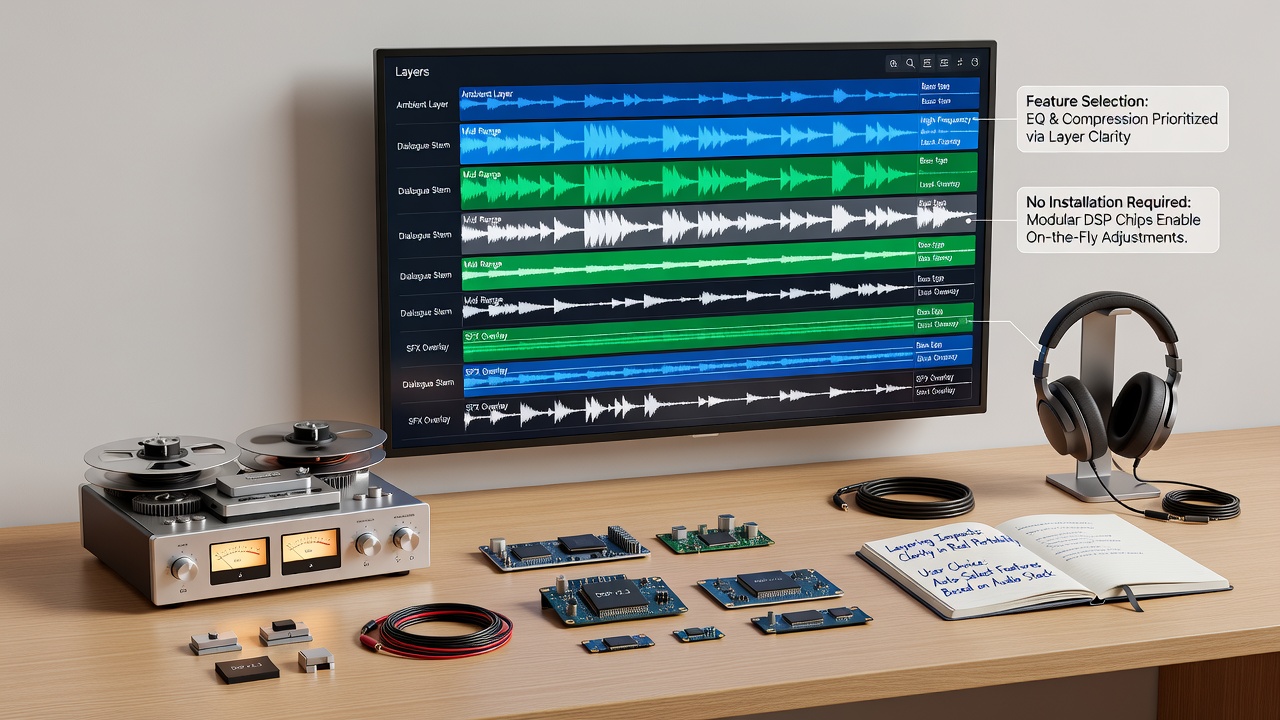
Integration with touch interfaces further refines the process, as haptic feedback combines with audio shifts to reinforce feature choices. Systems that align audio peaks with touch response times show stronger retention of selected features across repeated sessions. Regulatory documentation from the Nevada Gaming Control Board notes that such technical standards maintain compliance while supporting varied audio delivery methods in instant access formats.
Comparative Data from Multiple Platforms
Analysis of several browser-based reel providers reveals consistent trends where audio layering depth correlates with selection diversity. Platforms employing dynamic layering across five or more simultaneous tracks recorded broader feature usage distributions, whereas those limited to two layers concentrated activity around a narrower set of options. A study released by the University of Nevada, Reno examined engagement metrics and found that audio complexity influenced menu navigation paths in measurable ways during extended play periods.
Regional variations also emerge in how these systems perform. Australian market reports indicate higher interaction with audio-enhanced progressive features, while Canadian data points to steadier selection of fixed bonus rounds when layering includes distinct thematic elements. These patterns hold across different volatility settings and appear independent of jackpot size in most tested cases.
Conclusion
Audio layering in portable reel systems without installation requirements shapes feature selection through synchronized sound structures that respond to gameplay events in real time. Evidence from platform analytics, regulatory records, and academic reviews demonstrates measurable effects on user navigation and decision timing across instant play environments. Continued refinement of these audio techniques aligns with ongoing developments in browser technology and mobile hardware capabilities as of August 2026.